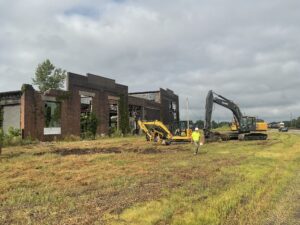
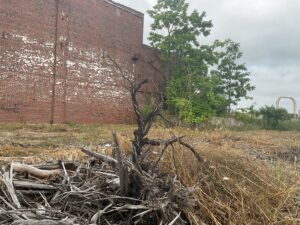
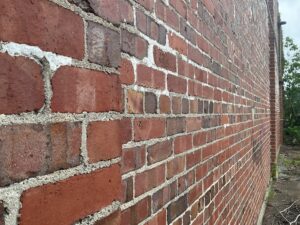
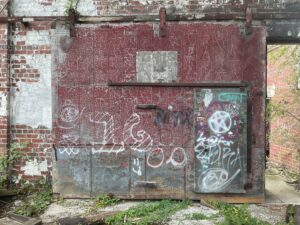
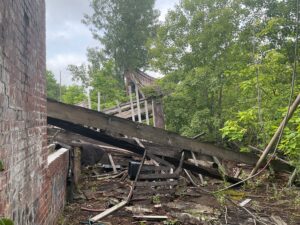
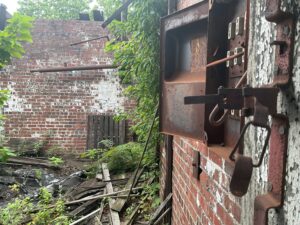
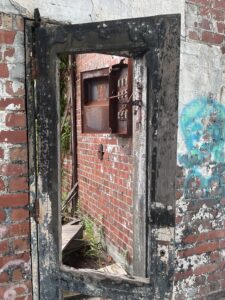
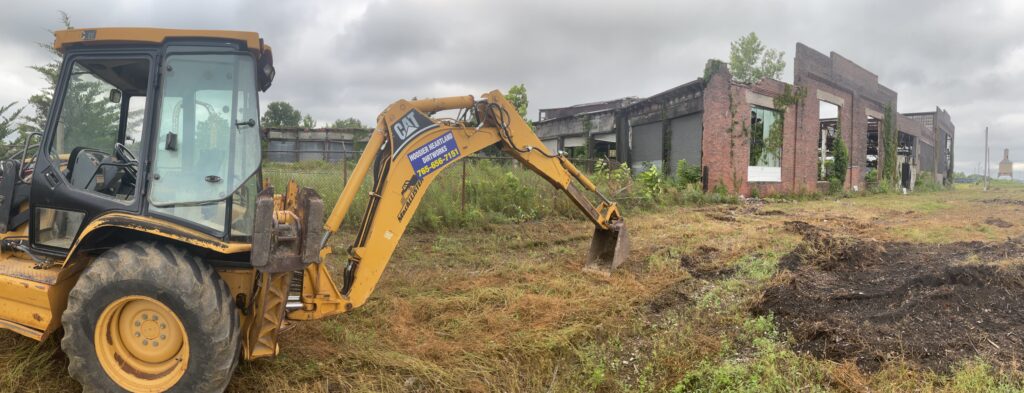
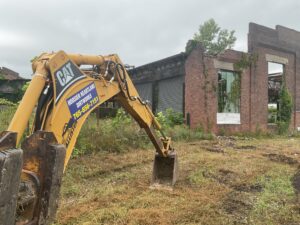
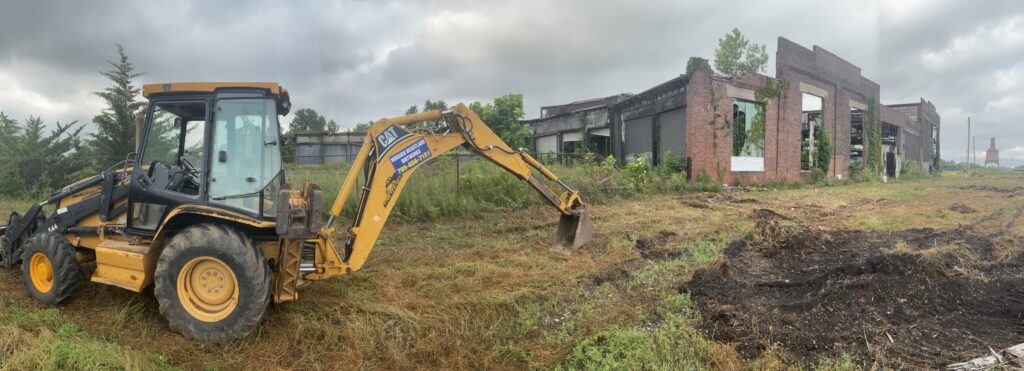
FRANKFORT, Ind. — Excavators rolled onto the old Nickel Plate rail yard Tuesday, marking the start of the long-awaited demolition of the Frankfort Roundhouse, a crumbling steam-age landmark that has stood watch over the city’s west side for a century.
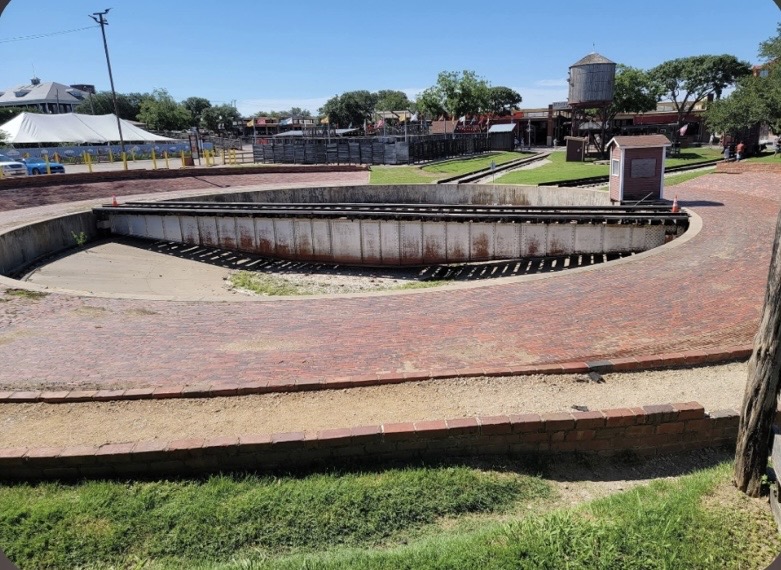
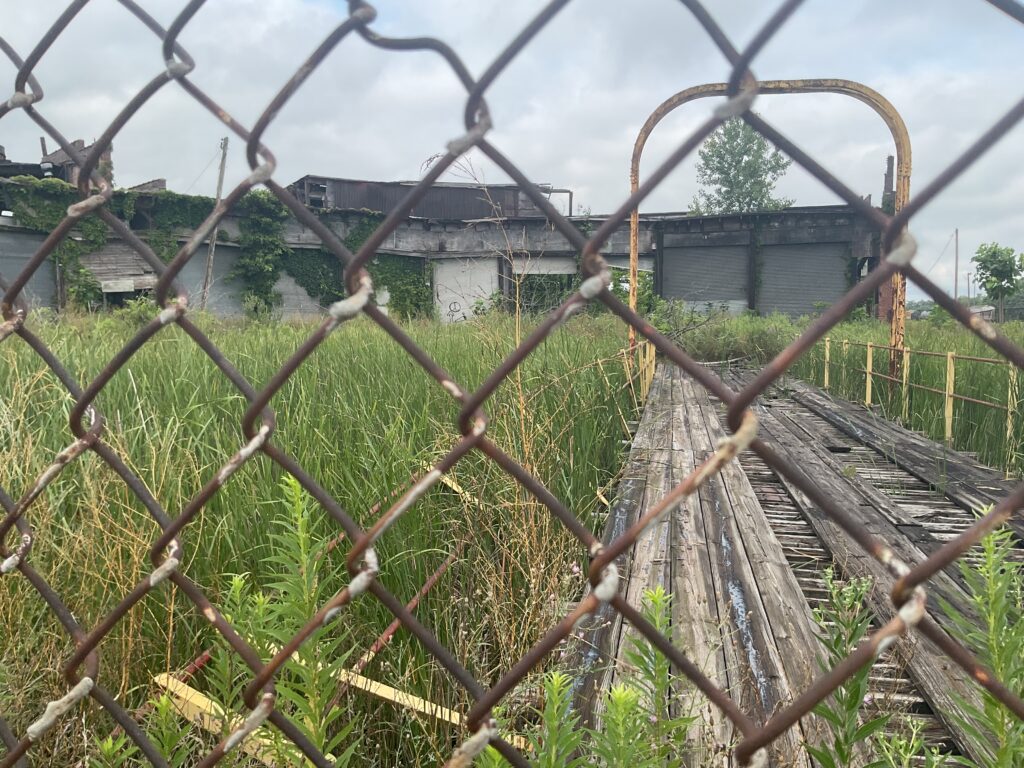
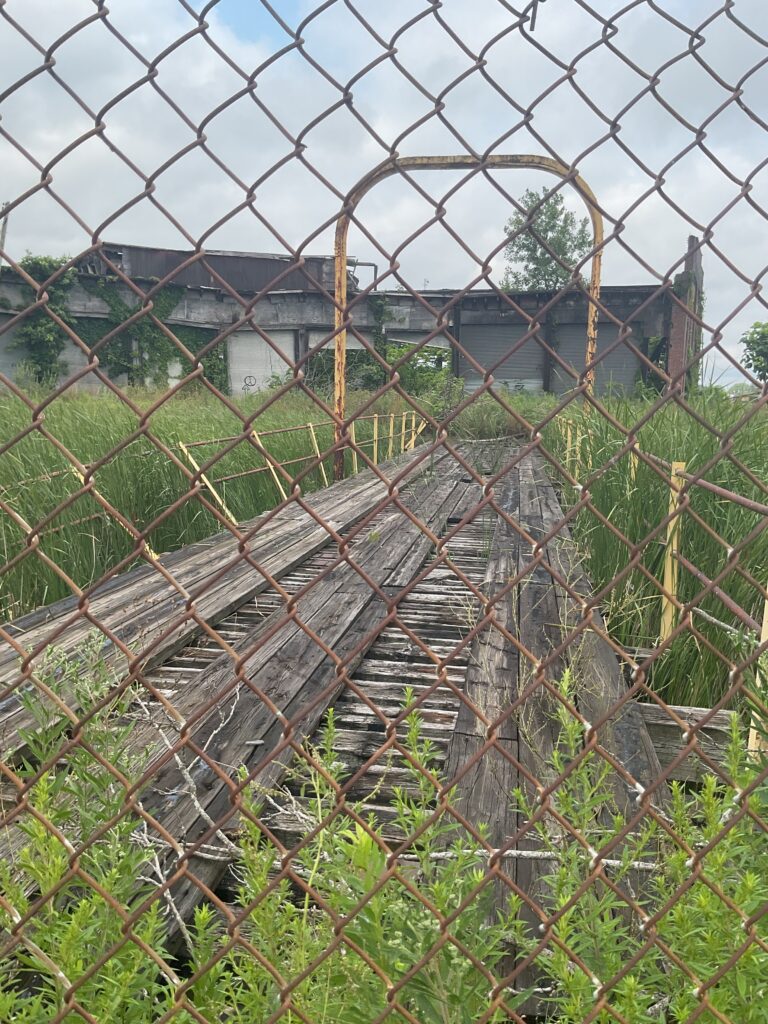
The razing follows the Frankfort Board of Public Works’ approval Monday night of a waived $200 demolition permit fee for the project, part of a broader cleanup effort supported by a state READI grant. It’s the first physical step in a years-long push to clear the 11-acre roundhouse campus for redevelopment. While most of the deteriorated roundhouse and coach shop structures will come down over the next few months, two of the site’s most historically significant features — the Machine Shop and the roundhouse’s steel turntable — will be left standing, according to the contractor overseeing the work.
A Long Time Coming
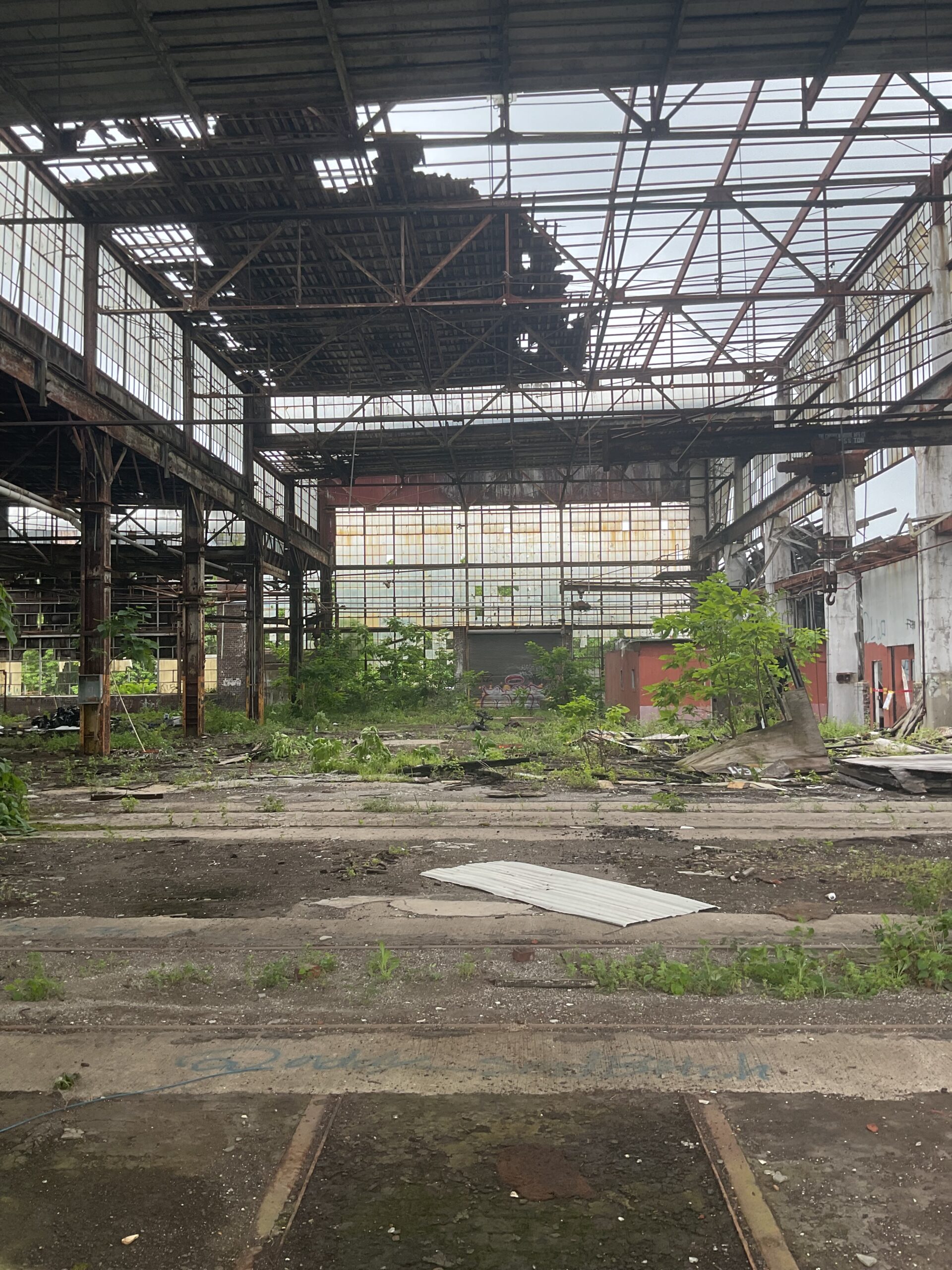
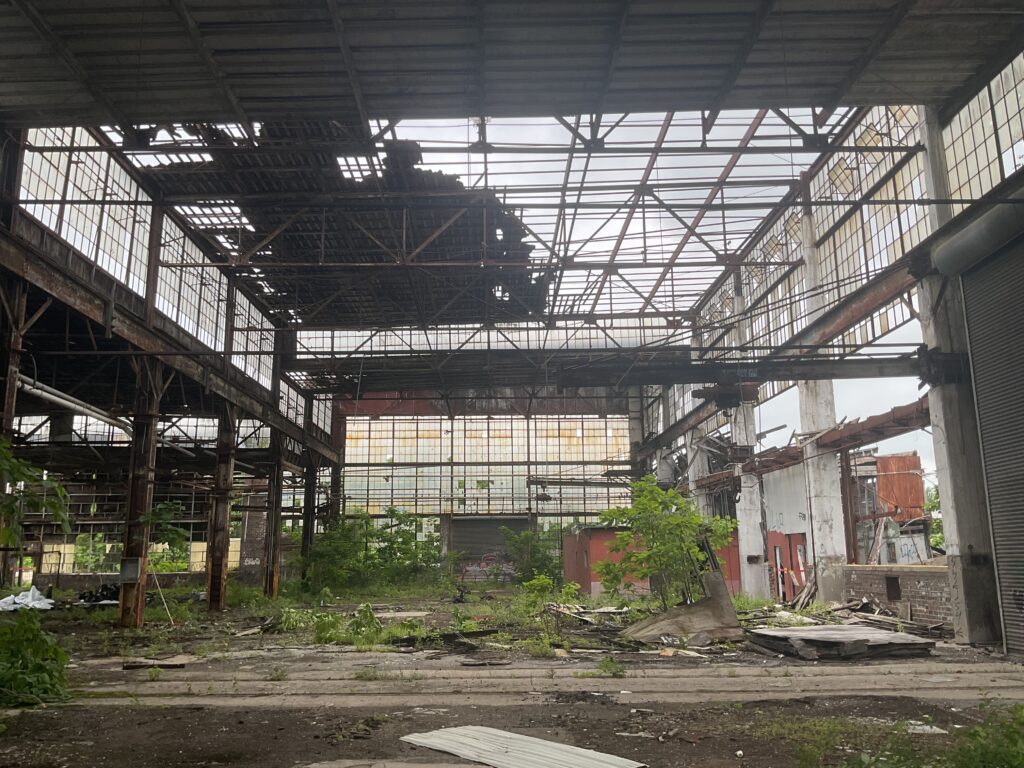
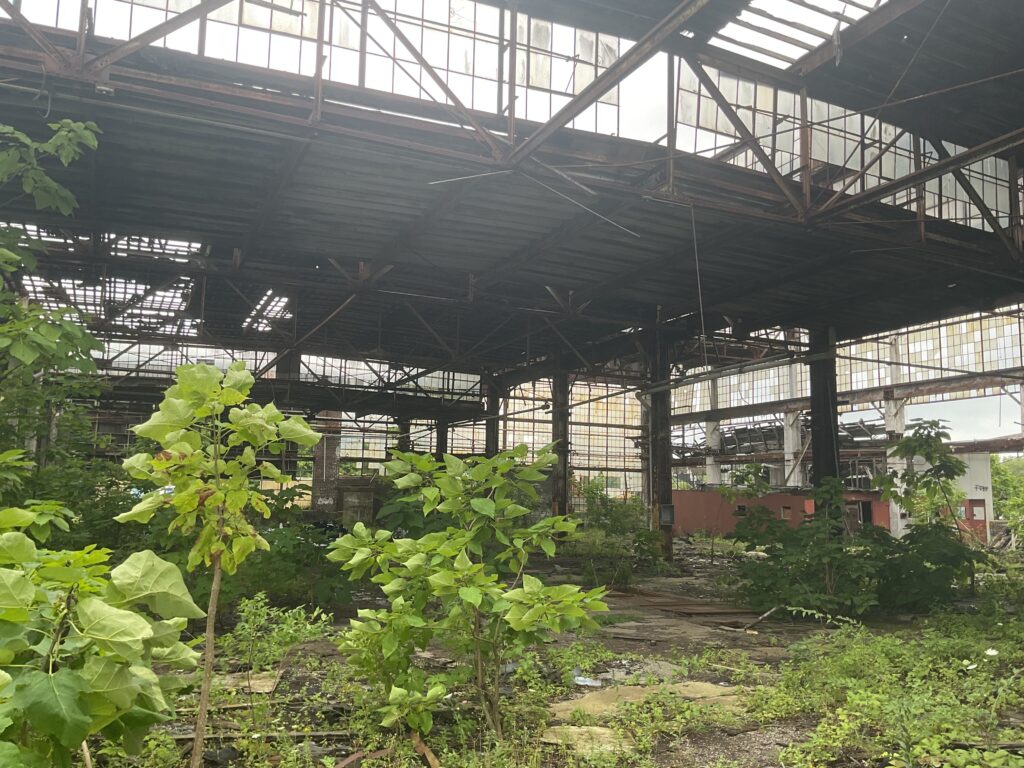
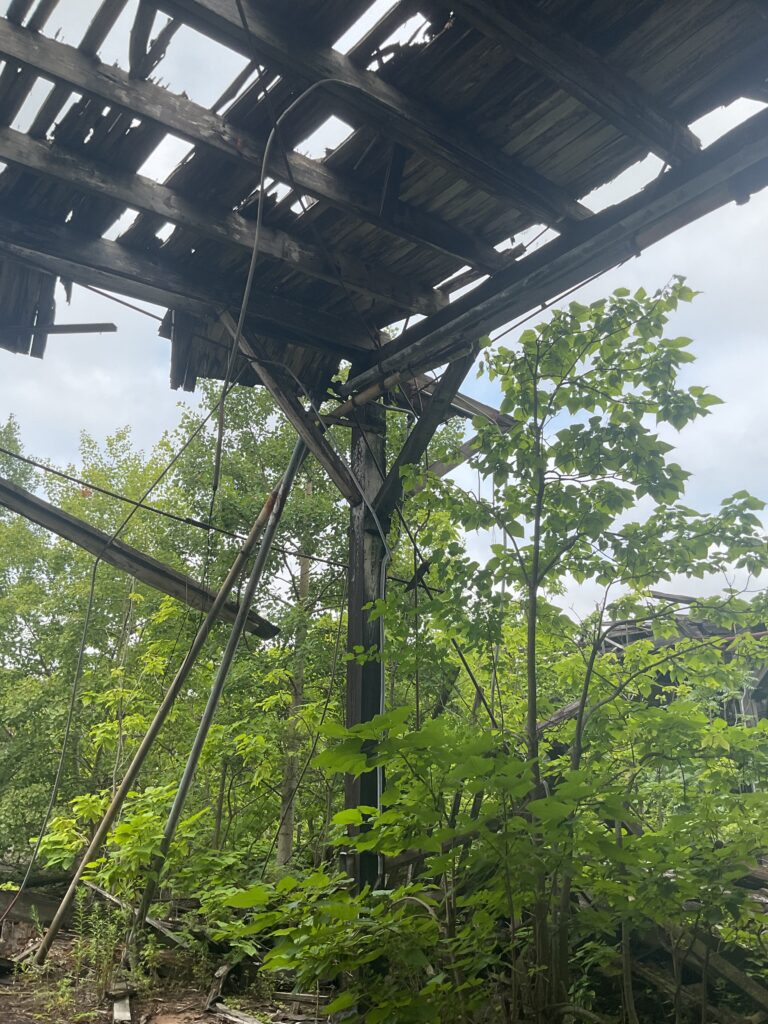
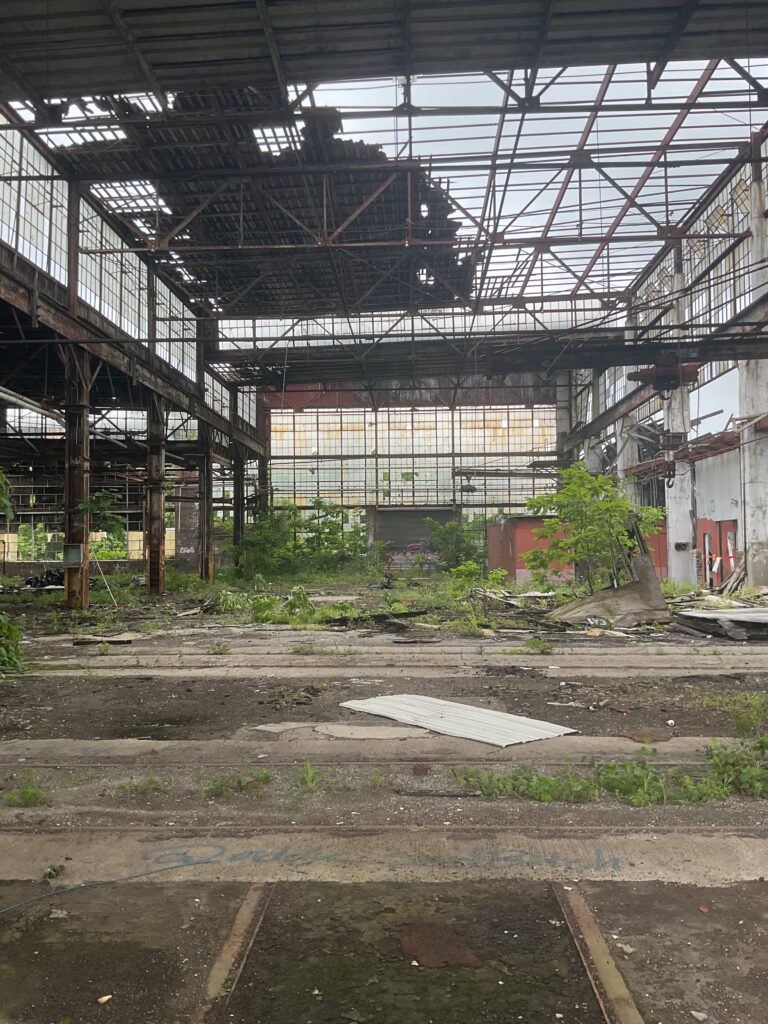
The current roundhouse was built in 1926 after fire destroyed an earlier structure on the site in 1924. It served the New York, Chicago and St. Louis Railroad, better known as the Nickel Plate Road, until that line merged into the Norfolk & Western in 1964. The complex sat idle for decades afterward, and a 2020 fire further gutted the roof and ceiling. Preservationists, including the Frankfort Midwest Rail Heritage Trust and the Clinton County Chamber of Commerce spent years pushing to save the building, but the cost of stabilizing and restoring it eventually outpaced what anyone was willing to spend.
For 22 years, since 2004, the Clinton County Chamber of Commerce has shepherded the roundhouse project through several Frankfort City administrations. The hope of preserving the historically significant area encountered funding dead ends, hopes for ‘Project Home Run’ during the McBarnes administration, a $50,000 OCRA study grant, (Indiana Office of Community and Rural Affairs), a fire in 2020, READI grant applications and partnerships.
The demolition project is now key to the future development of the area. EPA, Norfolk Southern, IDEM, North Central Indiana Economic Development Partnership (NCIEDP) and the North Central Indiana Regional Planning Council (NCIRPC) have all played a part in the vital demolition process now taking place. Clinton County Chamber of Commerce Executive Director and Economic Development Director Shan Sheridan is hopeful future grants and partnerships will help revitalize this part of Frankfort while preserving the history which played such an important part in the community.
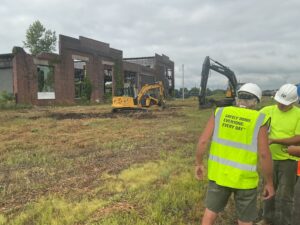
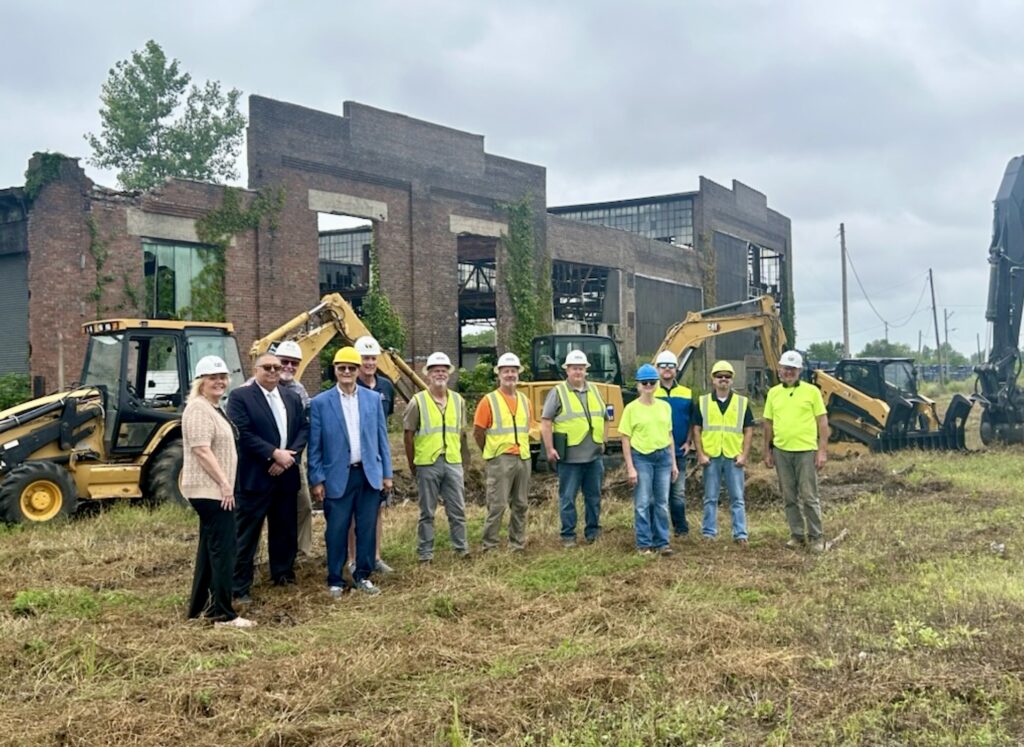
Frankfort Mayor Judy Sheets was present at the beginning of the demolition process along with Dave Little, Jeff Little and Shan Sheridan who helped with the Rail History Foundation efforts at the Roundhouse. Mayor Sheets said, “Today is a Bittersweet moment for the City of Frankfort. The railroad is a part of our history and large part that shaped our community. Thank you to the Rail History Foundation that continued to support this project for over 20 years. Your dedication is the reason we are here today.”
A $250,000 READI grant is funding the current phase of demolition. The turntable and machine shop will not be removed to allow for possible development and preservation in the future.
Crews Start Demolition July 28, 2026
Bill Ostler, owner of Hoosier Heartland Dirtworks, the Frankfort-based firm handling the demolition, said the job will take time to do right.
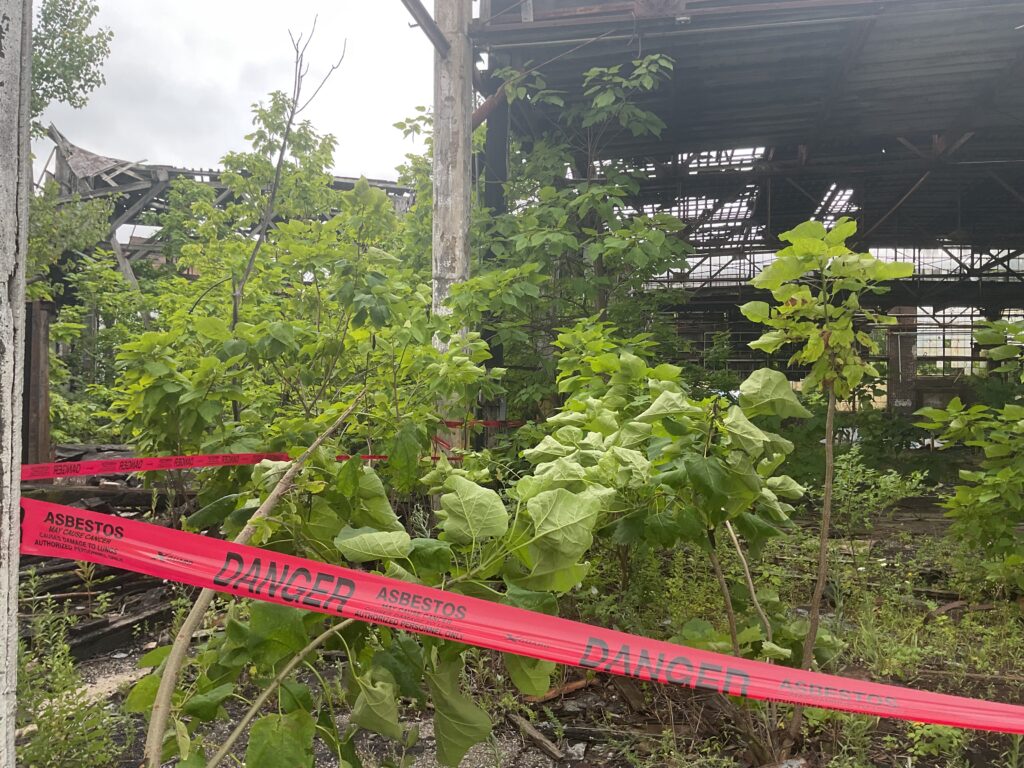
“We’re guessing about three months by the time we’re all done. It’s a big, big project,” Ostler said. “The first thing we’re removing is the asbestos, and that has to be done properly.”
Ostler said the roundhouse itself is beyond saving.
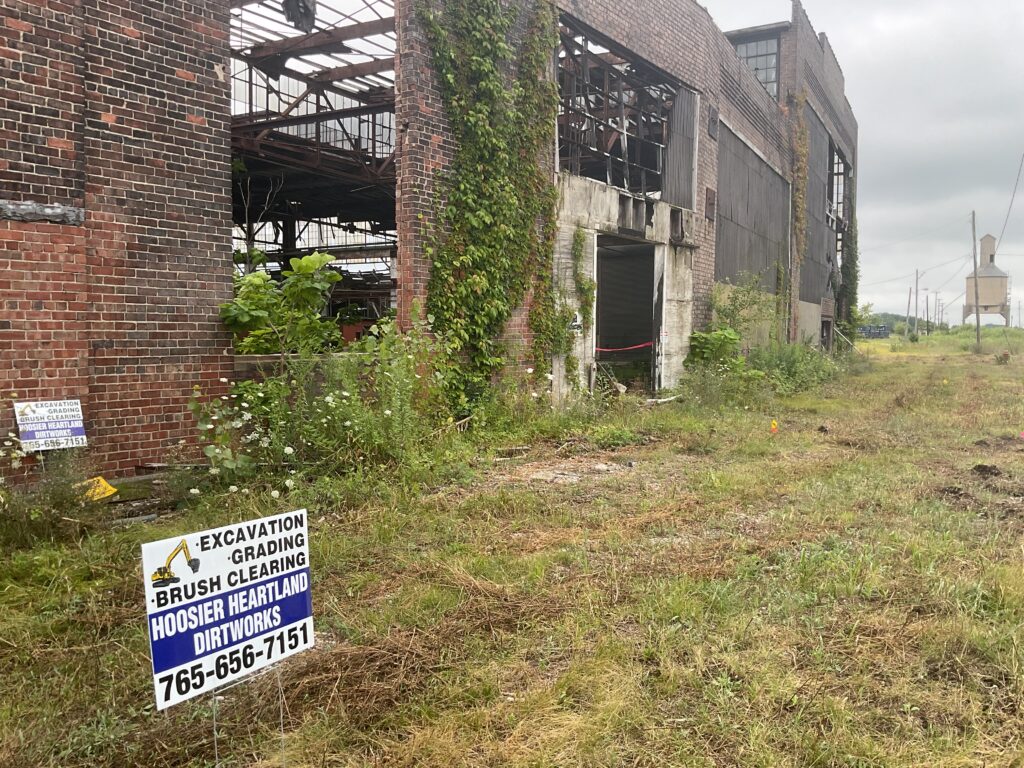
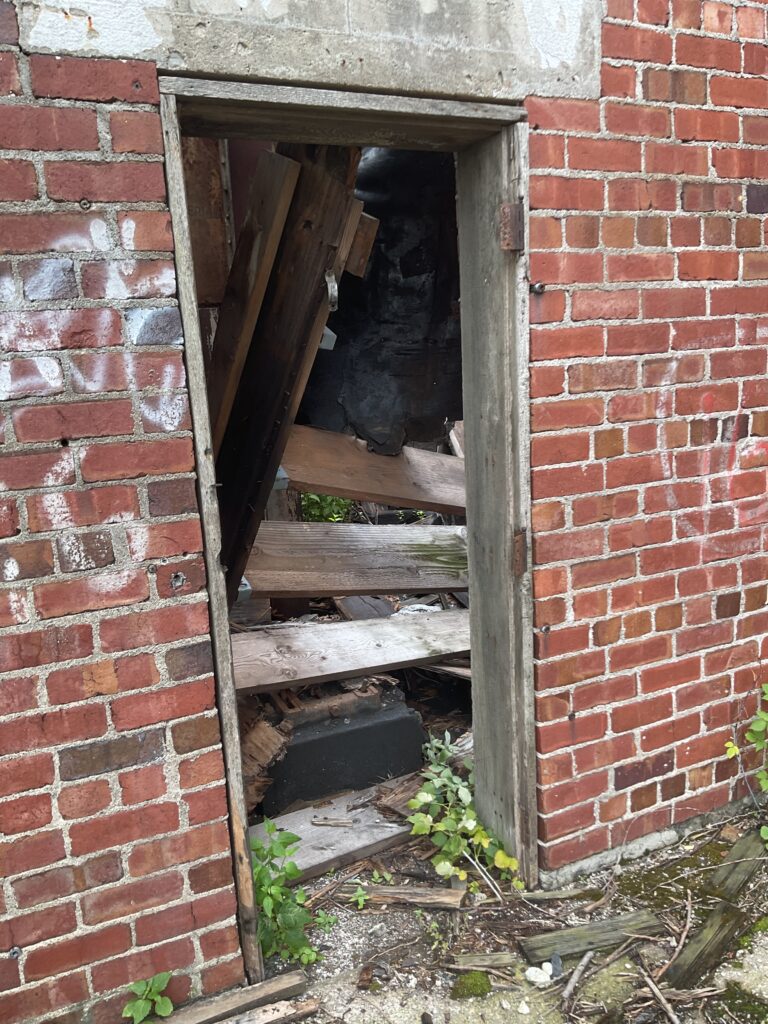
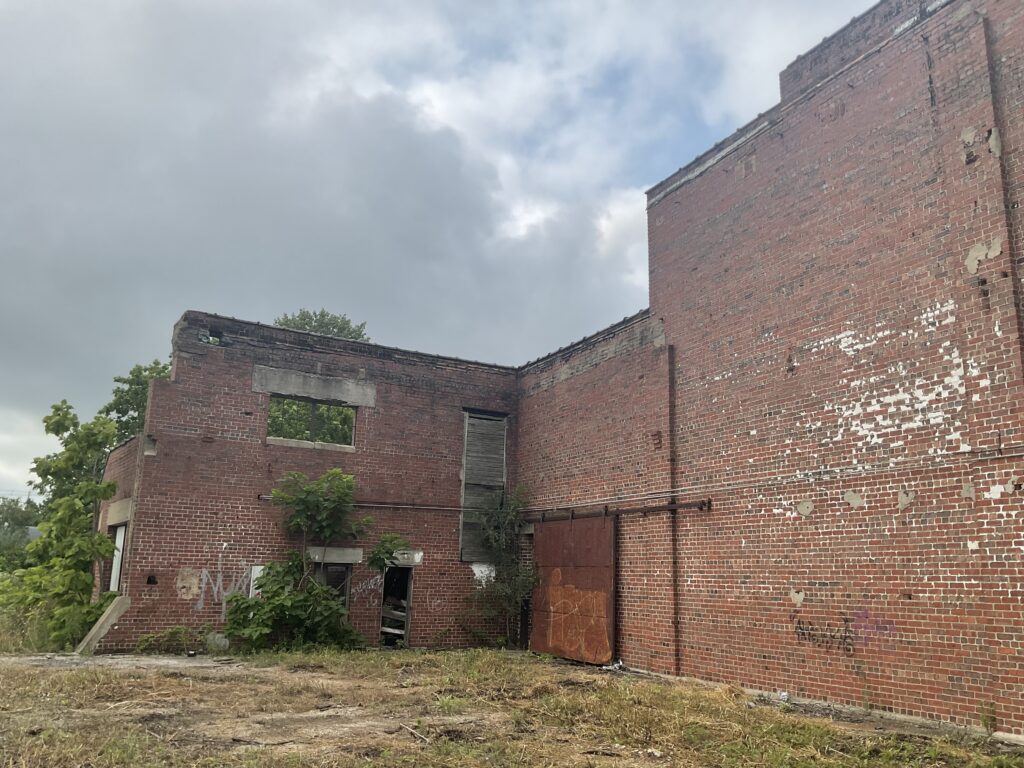
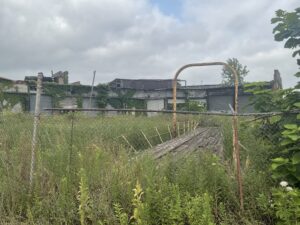
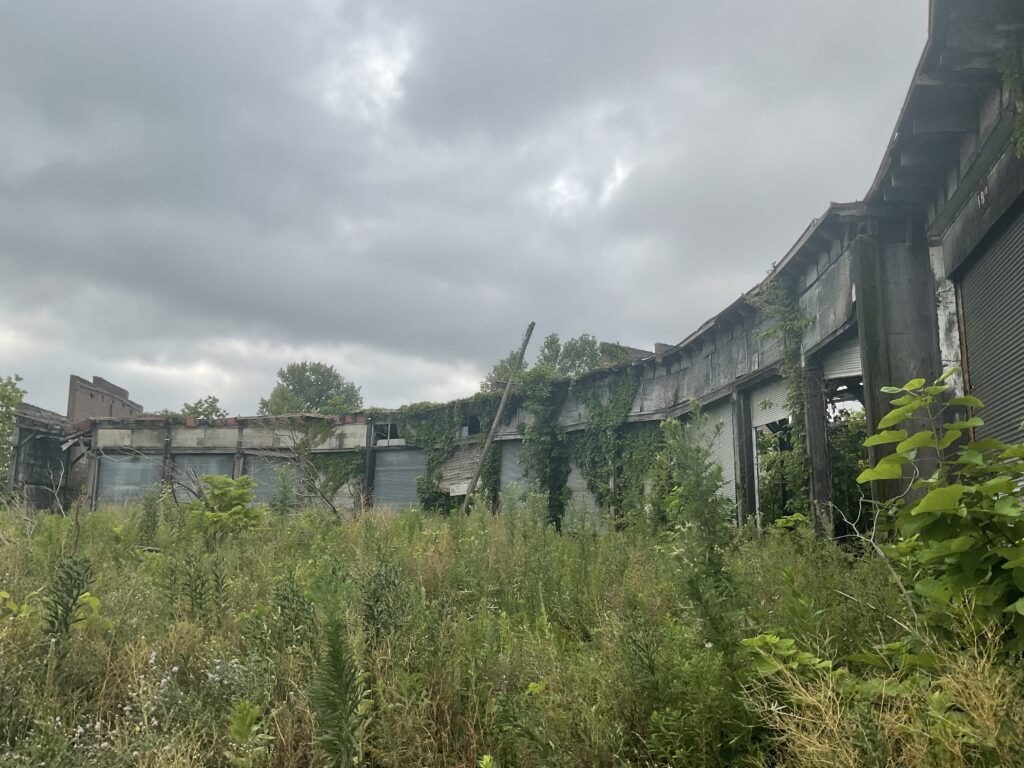
“There’s a lot of history here at the Frankfort Railroad Roundhouse, but it’s been in disrepair for a long time,” he said. “The roof and ceiling have collapsed on the roundhouse portion right behind us, and it’s really not salvageable. It had a wood structure, so it’s been rotting and falling apart.”
What Remains
Despite the scale of the teardown, Ostler confirmed two pieces of rail history are staying put.
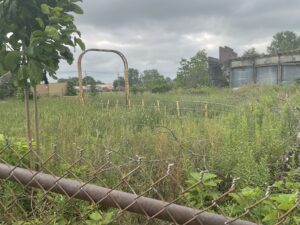
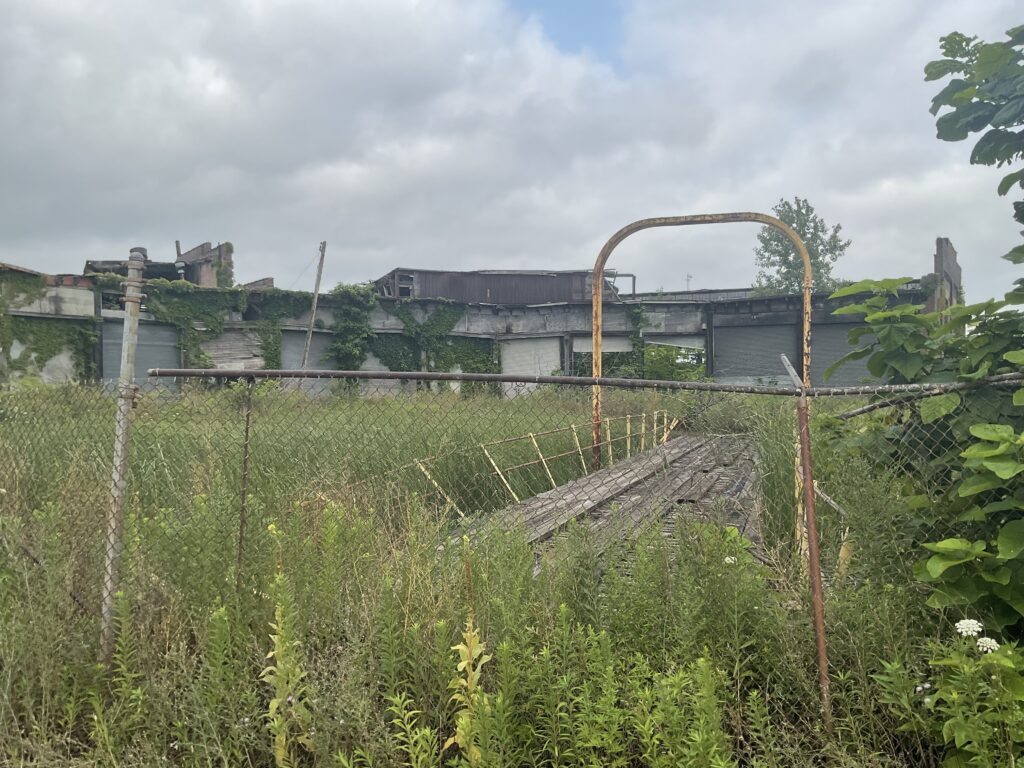
“This yellow hoop is the turntable that spins the engines around, and the machine shop is that tall building on the far right,” Ostler said. “Those are going to stay — they’ll be preserved for historical purposes.”
Mixed Emotions on the Rail Yard
Among those watching the work begin was Dave Little, who was a part of an earlier campaign to save the roundhouse. Dave Little was also instrumental in saving Old Stoney which now houses the City of Frankfort offices. “It’s too bad the railroad didn’t keep it up over the years,” Little said. “I think economically it’s just been determined that it costs too much to salvage. I know a lot of people were interested in saving it for a long time — it’s a unique property, especially with the turntable still here. You just don’t see that too often.” Little said he’s hopeful something worthwhile can still come from the land.
Readers can offer ideas for this and other community assets in the City of Frankfort Comprehensive Plan, where your ideas help shape the future of Frankfort: https://www.frankfortcomprehensiveplan.com