Brendon Bright said his work as investigator for the Clinton County Prosecutor’s Office requires constant coordination, patience and attention to detail as cases move from the roadside to the courtroom. Bright, who also serves part time as Kirklin town marshal and previously spent years with the Clinton County Sheriff’s Office, discussed the role Friday on WILO’s “Party Line.”
Background and workload
Bright said his law enforcement career has given him a wide view of how cases develop, from patrol work to detective assignments and now the prosecutor’s office. “I was with the sheriff’s office for 18 years,” Bright said. “Worked patrol for eight years, detective eight years, and then decided to broaden my perspective a little bit and branch out to the prosecutor’s office on the investigative side.” He said keeping his marshal job helps him stay connected to day-to-day law enforcement.
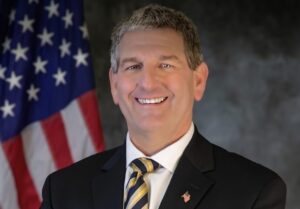
He described the job as one that demands careful scheduling and communication. “Thank goodness for Google calendars,” Bright said, adding that he has to “prepare, always look ahead to my calendar, make sure I know what’s going on.” Bright said that while the prosecutor’s office sees cases later in the process, his background helps him understand what officers and detectives are facing in the field.
Casework and coordination
Bright said one of the biggest adjustments has been learning how to balance the pace of police work with the slower, more deliberate work of case review and charging decisions. He said detectives and prosecutors must stay in close contact because once a case is handed off, “you really got to be cautious to not” second-guess initial decisions from the field. “At some point you just have to stop and say, okay, this is enough and go work your other cases,” he said.
He explained that the prosecutor’s office works with police agencies across the county and beyond. “I work with all police agencies, whether it’s the state police, Frankfort Police, the sheriff’s office, then all the small towns,” Bright said. He also said the office sometimes works with the Department of Natural Resources, excise police, postal inspectors and federal agencies.
Bright said a case often starts with a dispatch call and may go first to road officers before detectives become involved. In larger cases, he said, investigators may be called in at all hours. “You get phone calls 24/7, all hours of the night,” Bright said.
Evidence and technology
Bright said body cameras, dash cameras and other technology have changed law enforcement dramatically during his career. “Over my career we got obviously laptops, connectivity, and how we connect and the cameras and video is a whole different story,” he said. He said body cameras especially can help officers verify facts, answer complaints and improve reports.
He also said the amount of video now available in criminal cases has increased sharply. “There’s so much video,” Bright said. “You can’t really review a lot of it until it comes up for trial or if they’re trying to make a charging decision.” Bright said his role often involves collecting video from different agencies and sharing it with attorneys.
Scams and public warnings
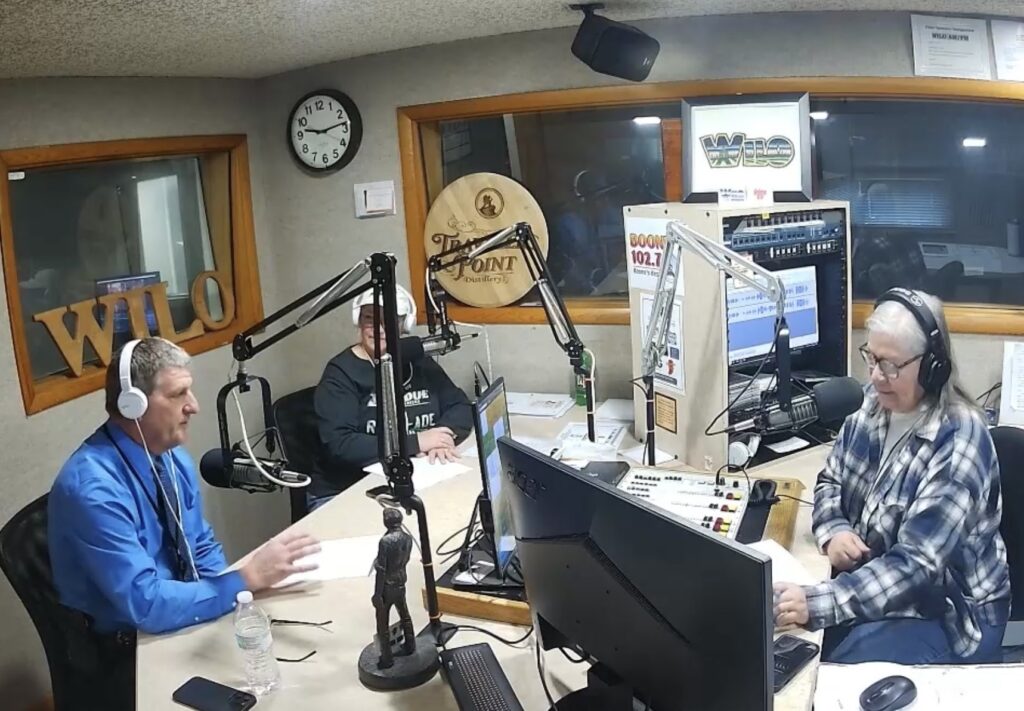
The conversation also turned to scams and fraud, which Bright said remain difficult to investigate, especially when suspects are overseas. “Most of it’s overseas,” he said. Bright told listeners to watch for poor grammar, suspicious email addresses and urgent demands for money. “My general answer is just hit delete,” he said.
He said callers posing as law enforcement or court officials often pressure victims by claiming there is a warrant or fine to be paid. Bright recommended hanging up and contacting the agency directly using a verified local number. For family-based scams, he urged people to call relatives themselves before sending money. “Don’t let them call you,” he said. “You call them, ask them.”
Looking ahead
Bright said the work will keep changing as technology changes, especially with artificial intelligence creating new challenges for investigators. “AI is the big thing now,” he said. “Law enforcement has to use that to their advantage, but then there’s AI crimes that we’re gonna have to investigate.”
He closed with a lighter note when asked about March Madness, saying he is backing Purdue. “Purdue of course,” Bright said.
Brendon Bright is running for Clinton County Sheriff on the Republican ticket in the primary election May 5th. Bright is running against Jake Myers and Ashley Kelly in the same primary.